

 Feb 04, 2026
ABA Autism Therapy Options for Families in Salt Lake City
Families who support a child with autism often search for clear and steady guidance. The early years can feel confusing, with many choices and new terms to learn. In Salt Lake City, families look for therapy options that respect their child’s pace and home life.
This blog explains ABA therapy choices with a focus on in-home support and family involvement. It shares what ABA therapy is, how it works, and what families in this area may expect. The goal is to offer simple, useful knowledge that helps families make calm and informed decisions.
Understanding ABA Therapy and Autism
Applied Behavior Analysis, often called ABA, is a therapy approach used to support children with Autism Spectrum Disorder. It focuses on observing behavior and teaching skills in small, clear steps. Each step builds on the last one. ABA therapy works by noticing how a child responds to daily situations.
Therapists then help guide better responses through practice and routine. Over time, children may improve communication, social interaction, and daily habits. ABA is not a single method. It is a framework that allows plans to change based on the child’s growth. This makes it flexible and useful across many ages and needs.
Why Families in Salt Lake City Explore ABA Therapy
Salt Lake City has many families who value strong home and community ties. Parents often want therapy that fits into real life, not just a clinic setting. ABA therapy meets this need by offering structure while still allowing personal space. Families often explore ABA autism therapy Salt Lake City options because they want support that respects culture, routine, and family goals.
Local access also helps with regular sessions and steady progress. Another reason families look into ABA therapy is its focus on daily living skills. These skills matter at home, at school, and in social settings. Therapy that supports these areas can help children feel more confident over time.
In-Home ABA Therapy in North Salt Lake, Utah
In-home ABA therapy allows children to learn in familiar surroundings. For many families in North Salt Lake, this setting reduces stress and helps children feel safe. SoaringHigh ABA offers in-home therapy that focuses on real-life skills. Sessions take place where the child spends most of their time.
This helps skills transfer into daily routines with ease. In-home therapy also allows parents and caregivers to observe sessions closely. They can learn how strategies work and continue them between sessions. This shared effort often helps children adjust better.
How ABA Therapy Supports Daily Life Skills
ABA therapy focuses on skills that matter every day. These skills help children take part in family and community life with more ease.
Some common are as of support include:
- Communication, such as using words or signs to express needs
- Social skills, including turn-taking and eye contact
- Daily routines like dressing, eating, and cleaning up
- Emotional regulation and coping with change
Therapists break each skill into small steps. Children practice at a steady pace. Progress may feel slow at times, but each step builds confidence and understanding.
The Role of Family in ABA Therapy
Family involvement is a key part of ABA therapy. When parents and care givers understand the methods, children often respond better.
Families may take part by:
- Observing therapy sessions
- Practicing strategies during daily routines
- Sharing feedback with therapists
- Supporting consistency across environments
This shared role helps children feel supported. It also helps families feel more confident in their role. ABA therapy becomes part of daily life, not something separate from it.
What to Expect During an ABA Therapy Session
ABA therapy sessions follow a clear structure, but they remain flexible. Sessions often begin with a short review of previous goals. Therapists then work on specific skills through guided activities.
A session may include:
- Play-based learning to keep the child engaged
- Repetition of skills in short bursts
- Positive reinforcement for effort and progress
- Breaks as needed to avoid stress
Sessions are adjusted based on the child’s mood and energy. This balance helps maintain focus while respecting the child’s comfort.
Comparing In-Home and Center-Based ABA Therapy
Families often ask about different therapy settings. Both in-home and center-based
therapy offer benefits, and the best choice depends on the child’s needs and the
family’s daily routine.
| Therapy Setting | Key Features | Possible Benefits |
|---|---|---|
| In-Home ABA Therapy | Takes place at home | Familiar setting, real-life skill practice |
| Center-Based ABA Therapy | Conducted at a therapy center | Structured environment, peer interaction |
In North Salt Lake, many families prefer in-home therapy because it fits naturally
into daily life. It allows therapists to work directly within home routines and
familiar spaces.
Addressing Common Concerns About ABA Therapy
Families may have questions or concerns before beginning therapy. These concerns
are common and important to discuss openly.
Some common concerns include:
- Time commitment and scheduling
- Child comfort during sessions
- Understanding therapy goals
- Measuring progress over time
Open communication with therapists helps address these questions. Families are
encouraged to share observations and ask for clarification, keeping therapy
transparent and respectful.
Choosing ABA Autism Therapy in Salt Lake City
When selecting therapy services, families often look for trust, clarity, and
compassion. ABA autism therapy Salt Lake City options vary, so focusing on values
and approach can help guide the decision.
Soaring High ABA emphasizes evidence-based practices combined with compassionate
care. Therapy is designed to support growth without pressure, maintaining a calm
and supportive environment.
Families may also consider how therapy fits into everyday routines. In-home
services in North Salt Lake allow therapy to blend naturally into daily life,
helping many children feel more relaxed and open to learning.
Conclusion
Choosing therapy for a child with autism is a thoughtful and personal process.
Families in Salt Lake City often seek options that respect home life and align
with personal goals. ABA therapy offers a structured yet flexible approach that
supports daily skills and meaningful growth.
With in-home services in North Salt Lake, families can focus on learning within
familiar surroundings. ABA autism therapy Salt Lake City options like these help
families move forward with care, understanding, and steady progress—one step at
a time.
 Apr 29, 2026
How ABA Therapy Clinics in Kansas City Track Progress
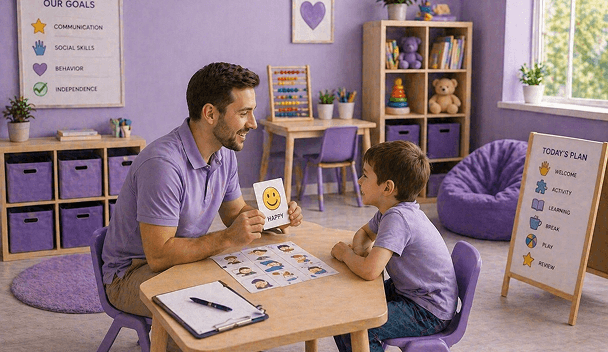
Parents often wonder what actually happens during the hours their child spends in therapy. While smiles and play are visible, the true engine of Applied Behavior Analysis is the invisible stream of data collected during every interaction. This blog sheds light on the rigorous methods used to measure growth, moving beyond “good days” to […]
Read More
Apr 29, 2026
Why ABA Therapy Clinics in Utah Prioritize Play-Based Care

Traditional perceptions ofbehavioral intervention often involve rigid repetition and clinical settings,but the landscape of modern support is shifting toward engagement and joy. Whena child is genuinely motivated by their environment, the barriers to learningbegin to dissolve. In this blog, we will talk abouthow top-tier ABA therapy clinics in Utah are moving away from compliance-basedmodels […]
Read More
Apr 29, 2026
Personalized ABA Autism Therapy in Salt Lake City Explained
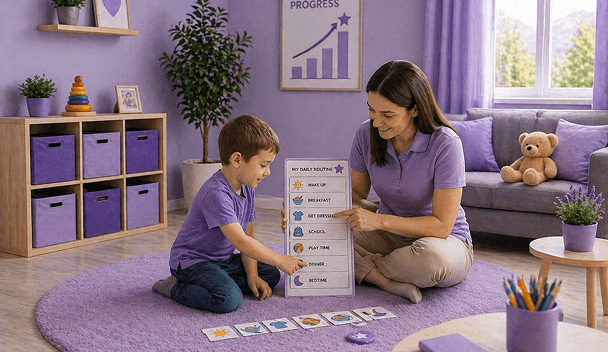
A new autism diagnosis in a growing community like the Salt Lake Valley requires more than just clinical information; it requires a clear path toward meaningful change. Many families encounter a fragmented system where therapy feels disconnected from the child’s actual life. This blog explains the process of receiving high-quality behavioral support, moving beyond technical […]
Read More