

 Feb 04, 2026
Home-Based ABA Therapy Programs Supporting Missouri Families
Families across Missouri often look for steady and practical support when a child is diagnosed with Autism Spectrum Disorder. Daily routines, learning needs, and social growth can feel heavy without the right guidance. Home-based ABA therapy has become a trusted option for many families who want care that fits into real life, not just a clinic setting.
SoaringHigh ABA focuses on in-home programs that respect family routines, child comfort, and steady skill growth. This blog explains how home-based ABA therapy supports Missouri families in simple terms, with clear details and honest information.
Understanding Home-Based ABA Therapy
Applied Behavior Analysis, often called ABA therapy, is a structured method used to support children with Autism Spectrum Disorder. When this therapy happens at home, it blends learning with daily family life. Children practice skills in the same place where they eat, play, and rest.
Home-based ABA therapy focuses on:
- Teaching useful daily living skills
- Supporting communication in natural settings
- Improving social interaction within the family
- Reducing behaviors that affect learning
At SoaringHigh ABA, therapy sessions are planned with care so the child feels safe and understood. The home becomes a learning space, not a clinical room. This helps children respond better and feel less stress during sessions.
Why Missouri Families Choose In-Home Services
Many families in Missouri prefer in-home ABA therapy because it removes several barriers. Travel time is reduced, and therapy fits better into daily schedules. Parents can also see sessions directly, which builds trust and understanding.
Common reasons families choose home-based programs include:
- Comfort of familiar surroundings
- Better focus for the child
- Direct involvement of parents and caregivers
- Real-time practice of daily routines
In-home support also helps therapists understand the child’s environment. This allows therapy goals to match real needs, not imagined ones.
The Role of Family in ABA Therapy
Family involvement is a key part of successful ABA therapy. Parents and caregivers are not observers only. They become active partners in the process. At SoaringHigh ABA, families are guided with patience and clarity.
Family roles often include:
- Learning simple strategies used during sessions
- Practicing skills between therapy visits
- Sharing feedback about progress and challenges
- Supporting consistency in routines
This shared effort helps children learn faster and feel supported. Skills taught during therapy are used throughout the day, which strengthens learning.
Personalized Programs for Each Child
No two children have the same needs. Home-based ABA therapy programs are built around the child’s strengths, challenges, and family setting. SoaringHigh ABA designs plans after careful assessment and ongoing observation.
Personalized programs may focus on:
- Language development and communication
- Social skills with siblings and peers
- Self-care tasks like dressing or eating
- Managing behaviors that limit learning
Therapists adjust goals as the child grows. Progress is reviewed often, and plans are updated to match new skills and needs.
Skills Supported Through Home-Based ABA Therapy
ABA therapy supports many areas of development. In a home setting, these skills connect directly to daily life. Children learn by doing, not only by instruction.
Key skill areas include:
- Communication skills
Children learn to express needs, feelings, and choices using words, signs, or other methods. - Social interaction
Therapy supports turn-taking, eye contact, and play skills with family members. - Daily living skills
Task slike brushing teeth, cleaning up toys, or following routines become easier. - Learning readiness
Focus, listening, and task completion improve over time.
Each skill is taught step by step, with patience and steady support.
How SoaringHigh ABA Approaches In-Home Therapy
SoaringHigh ABA follows a thoughtful and research-based approach. Therapists use methods that are tested and adjusted through real practice. The focus remains on positive change and respect for the child.
The approach includes:
- Careful observation before setting goals
- Clear steps for teaching each skill
- Positive reinforcement that fits the child
- Regular review of progress
Therapy sessions are calm and structured. Children are encouraged, not pressured. Families are kept informed at every stage.
Comparing Home-Based ABA Therapy and Center-Based Therapy
Families often wonder how home-based therapy differs from center-based services.
Both approaches offer value, but home-based programs provide unique benefits for
many children.
| Aspect | Home-Based ABA Therapy | Center-Based ABA Therapy |
|---|---|---|
| Setting | Child’s home environment | Therapy center |
| Family Involvement | High and ongoing | Limited to scheduled times |
| Skill Practice | Directly within daily routines | Simulated activities |
| Comfort Level | Familiar and calming | New and structured space |
| Travel Needs | None | Required for each session |
This comparison helps families decide what best suits their child. Many Missouri
families find that home-based care fits more smoothly into daily life.
Supporting Communication and Social Growth at Home
Communication and social development are often core goals of ABA therapy. In-home
sessions allow these skills to develop naturally as children practice speaking,
listening, and interacting during everyday moments.
Examples include:
- Asking for snacks during mealtime
- Playing games with siblings
- Greeting family members
- Following simple instructions
These interactions occur daily, offering frequent opportunities to practice.
Over time, small steps become lasting habits.
ABA Therapy Missouri Families Can Rely On
Families seeking ABA therapy in Missouri often look for care that feels personal,
consistent, and supportive. In-home programs meet these needs by bringing therapy
directly to the child’s environment.
Soaring High ABA provides services across Missouri with a focus on respect,
structure, and growth.
ABA therapy in Missouri families often choose includes:
- Consistent therapist support
- Clear communication with parents
- Flexible scheduling
- A focus on real-life skills
By keeping therapy close to home, families stay informed and actively involved.
Long-Term Impact on Children and Families
The benefits of home-based ABA therapy extend beyond individual skills. Families
frequently notice improved routines, clearer communication, and calmer daily
interactions. Children gain confidence as they learn to manage everyday tasks.
Long-term benefits may include:
- Improved independence
- Stronger family bonds
- Better readiness for school settings
- Increased comfort in social environments
These outcomes develop gradually through teamwork and consistent support.
Conclusion
Home-based ABA therapy offers Missouri families a practical and compassionate way
to support children with Autism Spectrum Disorder. Learning in familiar
surroundings helps children feel safe and open to growth.
Soaring High ABA focuses on personalized in-home services that respect each
child’s needs and each family’s routine.
Through structured support, family involvement, and thoughtful planning, ABA
therapy in Missouri families rely on becomes part of everyday life—helping
children move forward with confidence, one small step at a time.
 Apr 29, 2026
How ABA Therapy Clinics in Kansas City Track Progress
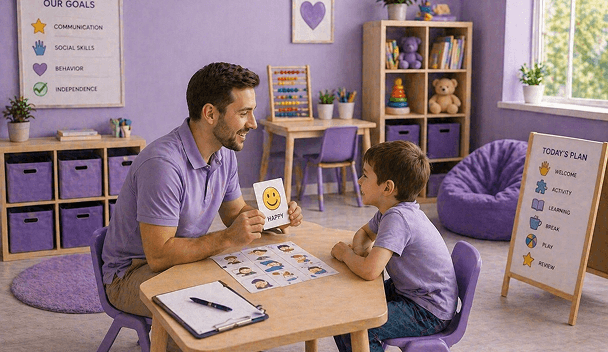
Parents often wonder what actually happens during the hours their child spends in therapy. While smiles and play are visible, the true engine of Applied Behavior Analysis is the invisible stream of data collected during every interaction. This blog sheds light on the rigorous methods used to measure growth, moving beyond “good days” to […]
Read More
Apr 29, 2026
Why ABA Therapy Clinics in Utah Prioritize Play-Based Care
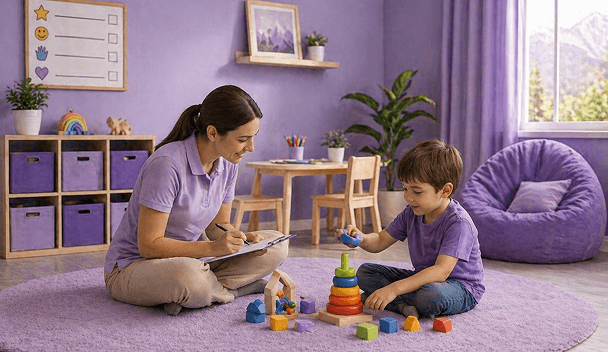
Traditional perceptions ofbehavioral intervention often involve rigid repetition and clinical settings,but the landscape of modern support is shifting toward engagement and joy. Whena child is genuinely motivated by their environment, the barriers to learningbegin to dissolve. In this blog, we will talk abouthow top-tier ABA therapy clinics in Utah are moving away from compliance-basedmodels […]
Read More
Apr 29, 2026
Personalized ABA Autism Therapy in Salt Lake City Explained
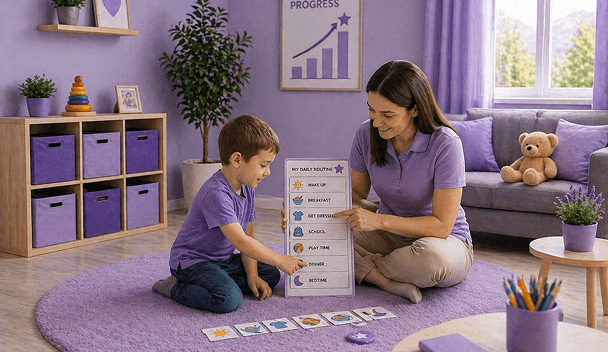
A new autism diagnosis in a growing community like the Salt Lake Valley requires more than just clinical information; it requires a clear path toward meaningful change. Many families encounter a fragmented system where therapy feels disconnected from the child’s actual life. This blog explains the process of receiving high-quality behavioral support, moving beyond technical […]
Read More