Children often express their needs through behaviorlong before they can explain those needs with words. A sudden reaction, refusalto follow directions, or repeated actions may simply signal that somethingfeels confusing, overwhelming, or difficult to communicate. Therapy programsthat focus on behavior support help children learn different ways to respond tothese moments. They teach communication, emotional regulation, andproblem-solving skills step by step.
This blog explains how behavior strategies work instructured therapy environments and how programs that include center based ABA therapy inUtah supportchildren as they develop practical skills for everyday life.
Behavior Support Strategies Used inCenter-Based ABA Programs
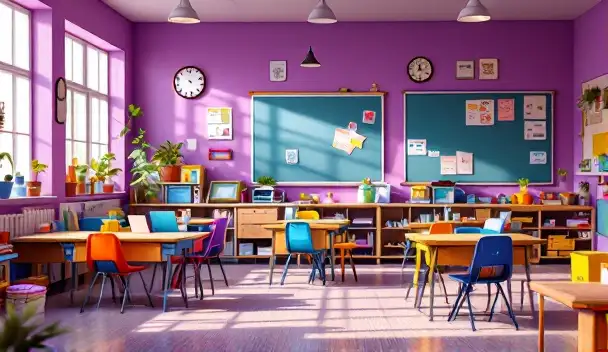
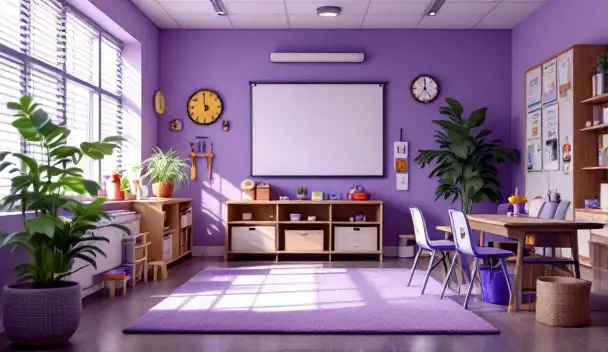
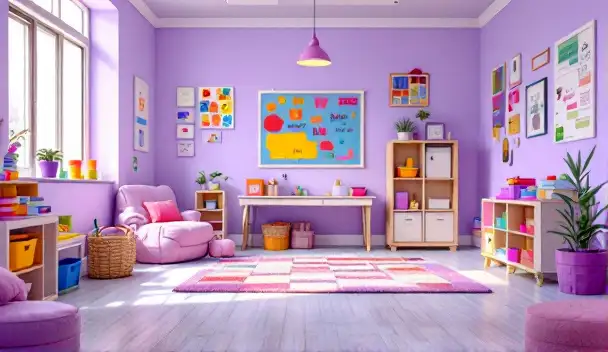
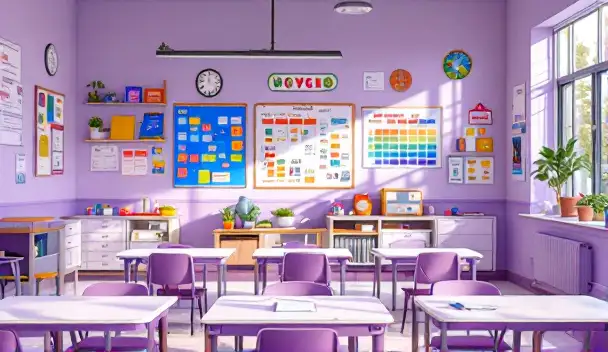
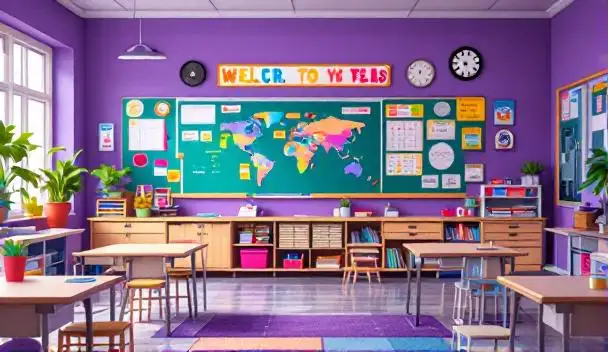
A therapy center creates a structured learningenvironment. In this space, children practice communication and behavior skillswith guidance from trained professionals. Therapists design sessions carefullyso that children learn how to respond to situations that once felt difficult.
Understandingthe Purpose Behind Behavior
Behavior rarely appears without a reason. A child mayrefuse an activity because it feels confusing. Another child might reactstrongly when a routine changes unexpectedly. These reactions often signalfrustration or a need for help.
Therapists begin by observing patterns. They look atwhat happens before a behavior occurs, how the child reacts, and what happensafterward. This process helps identify the purpose behind the behavior.
For example, a child may cry when asked to complete atask that feels too difficult. The reaction might allow the child to avoid theactivity. Once therapists recognize this pattern, they can teach new responsesthat help the child request help instead of reacting with frustration.
TeachingReplacement Skills
Behavior change works best when children learn whatto do instead of what not to do. ABA therapy focuses on teaching replacementskills that allow children to communicate their needs in more effective ways.
A therapist may teach a child to request a breakduring a difficult task. Another child may learn to ask for assistance wheninstructions feel unclear. These alternatives give the child a practical way torespond.
Positive Reinforcement and Skill Building
Encouragement plays a large role in behaviorlearning. When a child receives positive feedback after using a new skill, theexperience becomes meaningful and rewarding.
Therapists often use praise, preferred activities, orsmall rewards to reinforce progress. A child who asks for help politely mightreceive praise or extra time with a favorite activity.
These responses show the child that the new behaviorleads to positive outcomes. The child begins repeating the behavior more oftenbecause the result feels satisfying.
Gradually, the reinforcement becomes less structured.The child continues using the behavior because it helps communication flow moresmoothly in daily life.
StructuredLearning and Predictable Routines
Many children feel more comfortable when routinesstay consistent. Predictable schedules reduce confusion and make transitionseasier.
Therapy centers organize sessions with a clearstructure. A child might begin with a communication activity, move to skillpractice, and then participate in guided play. This pattern repeats acrosssessions.
When children understand what comes next, they feelmore prepared for each activity. This sense of predictability helps reduceanxiety and allows children to focus on learning.
A structured environment also helps therapistsintroduce new skills gradually. Each session builds on earlier lessons,creating a steady path toward improvement.
How We Apply Behavior Support in Our ABAPrograms
At Soaring HighABA, we focuson helping children develop communication and behavior skills throughpersonalized therapy programs. Every child learns differently, so our teambegins by understanding each child’s strengths, preferences, and developmentalneeds.
Our process starts with a detailed behavioralassessment. During this stage, our team observes how a child communicates,responds to instructions, and interacts with others. These observations help usbuild a therapy plan that reflects the child’s individual learning style.
Therapy sessions take place in structuredenvironments designed for focused learning. Board Certified Behavior Analystssupervise treatment plans and review progress regularly. Registered BehaviorTechnicians work directly with children during daily sessions. They guideactivities, practice communication skills, and help children apply newresponses during real situations.
Children often practice behavior skills throughguided interaction and structured play. A child might learn how to request helpduring a challenging task. Another child may practice turn-taking during ashared activity. These lessons appear simple, yet they help build communicationand self-regulation.
Families looking for center-based ABA therapy inUtah often want programs that combine professional guidance with supportivecommunication. Our goal is to create learning environments where children feelcomfortable practicing new skills and building confidence over time.
Conclusion
Behavior support strategies help children learnpractical ways to respond to challenges and communicate their needs. Structuredtherapy environments create space for practice, encouragement, and steadyimprovement. Over time, children begin using these skills in everydaysituations, from classroom activities to family interactions.
Understanding how these strategies work can helpfamilies feel more confident when exploring therapy options. If you want tolearn how personalized ABA programs can support your child’s development,consider connecting with Soaring High ABA. Their team works withfamilies to design therapy programs that help children build communication,behavior, and independence skills for the future.