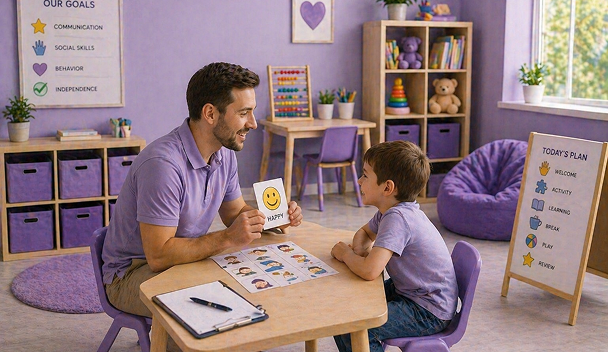
Children learn many life skills through everydaymoments. Communication, routines, and social interactions all shape how theyexperience the world around them. Some children need more structured guidanceto develop these abilities.
Applied Behavior Analysis, often called ABA therapy,focuses on teaching practical skills that support daily living. Parents oftenexplore therapy when they want consistent support that connects learning toreal situations.
This blog explains how applied behavior analysisin St. Louis helps children strengthen communication, develop independence,and build positive behavior patterns that carry into school, home life, andcommunity settings.
How Applied Behavior AnalysisBuilds Everyday Skills
ABA therapy focuses on practical learning. Skills arenot taught in isolation. Therapists often connect lessons to daily activities,which helps children practice what they learn in real situations.Communication, independence, and behavior regulation become part of everydayroutines rather than separate tasks.
StrengtheningCommunication Skills
Communication stands at the center of many ABAprograms. Children use communication to express needs, ask for help, andinteract with others. When these skills feel difficult, frustration can buildquickly. ABA therapy addresses this challenge through structured teaching.
Therapists start by identifying how a child currentlycommunicates. Some children use words. Others rely on gestures, pictures, orsimple sounds. A therapist builds from that starting point and introducessmall, achievable steps.
A child might first learn how to request an item oractivity. This skill can appear simple, yet it often brings immediate benefits.Instead of becoming frustrated, the child learns how to communicate clearly.Over time, therapists expand these skills into short responses, questions, orsimple conversations.
Visual supports, prompts, and repetition often helpduring this learning process. As communication improves, children begin tointeract more comfortably with family members, teachers, and peers. Familieswho explore applied behavior analysis in St. Louis often notice thatcommunication goals connect directly to daily life.
BuildingIndependence Through Daily Skills
Independence grows gradually. Small tasks buildconfidence when children learn them step by step. ABA therapy often focuses ondaily routines that help children participate more actively at home or inschool.
Therapists break large activities into smaller steps.A simple routine like preparing for school may involve many parts. A childmight learn how to put away items, follow a schedule, or transition betweenactivities.
Each step becomes easier with practice. The therapistmay demonstrate the task first. Guidance follows while the child practices theaction. Over time, support slowly fades as the child becomes more comfortablewith the routine.
SupportingPositive Behavior and Emotional Regulation
Behavior always communicates something. A child mayreact strongly to frustration, confusion, or sudden changes. ABA therapystudies the patterns behind these reactions and helps children learnalternative responses.
Behavior analysts observe when and why certainbehaviors appear. They study triggers, responses, and outcomes. Thisinformation helps therapists teach new strategies that replace challengingbehaviors.
A child might learn how to request a break during adifficult task. Another child may practice calming techniques during stressfulmoments. These responses give children tools that help them manage emotionsmore effectively.
MeasuringProgress Through Data and Observation
ABA therapy relies on observation and measurableprogress. Therapists record what happens during sessions. These notes track howoften skills appear and how children respond to different teaching methods.
Behavior analysts review this information regularly.They adjust strategies when needed. A skill that develops quickly may lead tonew goals. A skill that proves difficult may require a different approach.
Families receive updates about progress. Thesediscussions help parents understand what their child practices during sessionsand how learning continues outside therapy.
Consistency makes a difference. Small improvementsoften build over time. With steady guidance, children begin to use their skillsin everyday situations.
How We Support Skill DevelopmentThrough ABA Therapy
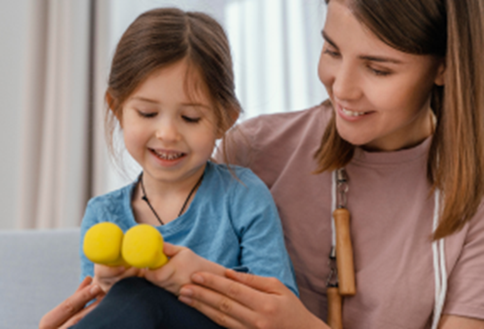
At Soaring High ABA, our work focuses onhelping children build practical abilities that improve everyday life. Therapyprograms center on individual strengths and developmental needs. Every childlearns differently, and our approach reflects that understanding.
We proudly serve the greater St. Louis community,including families in St. Louis County, St. Charles County, and JeffersonCounty, making high-quality ABA therapy accessible right in your backyard.
● Individualized therapy plans
We begin with a detailed assessment. This processhelps us understand communication patterns, learning styles, and behaviorgoals. Board Certified Behavior Analysts create treatment plans based on thisinformation. Each plan focuses on meaningful skills that support long-termdevelopment.
● Evidence-based ABAstrategies
Our therapists use proven teaching methods groundedin behavioral science. Skills develop through repetition, encouragement, andstructured learning. Communication, social interaction, and independence remainkey focus areas.
● Supervised therapy sessions
Registered Behavior Technicians work directly withchildren during sessions. Board Certified Behavior Analysts supervise programsand review progress. This structure allows therapy plans to evolve as childrenlearn new abilities.
● Family collaboration andguidance
Families remain an important part of the learningprocess. Our team shares practical strategies that parents can use during dailyroutines. These moments help children practice skills outside therapy sessions.
Through this collaborative approach, our teamsupports families seeking applied behavior analysis in St. Louis. Skilldevelopment continues beyond the therapy setting and becomes part of everydayexperiences.
Conclusion
Everyday skills shape how children experience theirsurroundings. Communication, emotional regulation, and independence influenceschool activities, social connections, and family routines. Applied BehaviorAnalysis focuses on teaching these abilities through consistent practice andsupportive guidance.
If you want to explore how structured behavioralsupport can help your child grow, consider connecting with Soaring High ABA.Our team works closely with families to create personalized therapy programsthat support communication, independence, and long-term development.