Social interaction shapes many parts of daily life.Children use it when they talk to family members, play with friends, orparticipate in school activities. Some children pick up these skills naturally,while others need structured support and practice.
Therapy programs based on behavior science often helpchildren learn how communication and interaction work in real situations. Thisblog explains how social development grows through therapy and guidedlearning.
How ABA Therapy Supports SocialDevelopment
Social development does not happen all at once.Children learn it through small steps and repeated practice. Some children needextra guidance to understand social rules, respond to others, or startconversations.
ABA therapy focuses on teaching these skills in clearand manageable ways. Programs built around appliedbehavior analysis in Salt Lake City often focus on communication,emotional understanding, and shared activities.
TeachingCommunication as a Foundation for Social Skills
Communication stands at the center of socialinteraction. A child first needs ways to express needs, respond to others, andtake part in simple conversations.
Therapists often begin with basic communication. Achild may learn to request a toy, answer a question, or greet someone. Thesesmall actions help the child understand how communication works during everydaymoments.
Many therapy sessions use modeling and repetition. Atherapist demonstrates a phrase or action, then encourages the child to try it.Visual supports sometimes help as well. Pictures, symbols, or written promptscan guide the child toward the correct response.
LearningThrough Structured Play and Activities
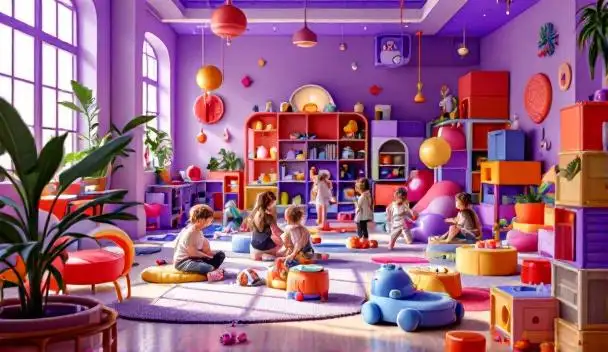
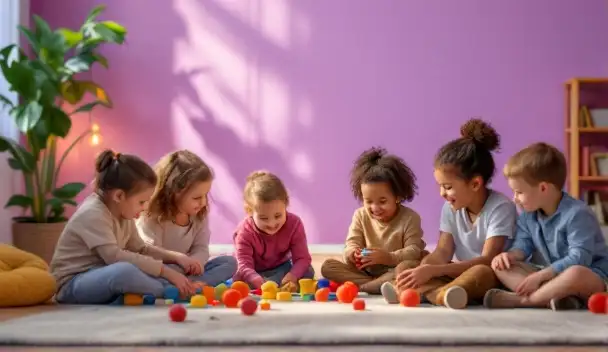
Play offers many chances to practice socialinteraction. Children naturally communicate, share materials, and respond toothers during games.
ABA therapy often includes structured play sessions.Therapists guide children through activities that require cooperation orturn-taking. These exercises help children understand how social exchangesunfold.
For example, a simple board game teaches severalskills at once. A child waits for a turn, watches another player’s move, andreacts when the game changes. These steps may seem small, yet they representimportant parts of social behavior.
Shared play also creates positive learningexperiences. Children often feel more relaxed during games or creativeactivities. This relaxed setting allows them to practice communication withoutpressure.
BuildingEmotional Awareness and Social Understanding
Social interaction involves more than words. Peopleuse facial expressions, tone of voice, and body language to communicatefeelings.
Some children find these signals difficult tointerpret. ABA therapy includes lessons that help children recognize emotionalcues. Therapists may use pictures of facial expressions or short role-playscenarios.
A child might learn to identify when someone lookshappy, upset, or surprised. The therapist then explains how to respond in thosesituations. For example, a child might learn to offer help when someone appearsfrustrated.
PracticingSocial Skills in Different Environments
Learning a skill during therapy marks only thebeginning. Children also need chances to use that skill in other settings.
ABA programs often include practice beyond individualsessions. Some clinics organize small group activities where children interactwith peers. These moments allow them to apply communication skills in realtime.
Children may start by responding to simple questions.Later, they begin asking questions or sharing ideas with others. Confidencegrows through repeated experiences.
How We Support Social DevelopmentThrough ABA Programs
At Soaring High ABA, we focus on helpingchildren build communication and interaction abilities through personalizedtherapy programs. Every child develops skills at a different pace, so our teamdesigns treatment plans that match each child’s learning style and developmentalgoals.
We begin with detailed assessments. Our team observeshow a child communicates, responds to instructions, and interacts with others.These observations guide the creation of therapy goals that reflect the child’sstrengths and needs.
Our programs include structured sessions led bytrained professionals. Board Certified Behavior Analysts supervise treatmentplans and review progress regularly. Registered Behavior Technicians workdirectly with children during daily therapy sessions. Together, they guideactivities that help children practice communication and social interaction.
Why Social Skills Matter forLong-Term Development
Social skills influence many parts of a child’s life.They shape how children interact with classmates, participate in groupactivities, and build friendships.
When children develop communication abilities, theybegin to express their needs more clearly. This reduces frustration and helpsothers understand them better. A child who can request help or share ideasoften feels more confident during daily interactions.
Social skills also affect learning environments.Classroom activities often involve teamwork, discussions, and shared projects.Children who feel comfortable communicating may participate more activelyduring these moments.
Programs built around applied behavior analysis inSalt Lake City often focus on these long-term outcomes. Therapy aims tohelp children move beyond individual lessons and apply skills in real settings.
Conclusion
Social development grows through practice, guidance,and patience. Children learn interaction skills in small steps, and each stephelps them participate more fully in everyday life. Communication, emotionalunderstanding, and shared activities all contribute to stronger socialconnections.
Therapy programs based on behavior science providestructured opportunities to practice these skills. Over time, children begin toapply what they learn during therapy to school, family interactions, andfriendships.
If you want to explore how personalized therapy cansupport your child’s communication and social growth, consider reaching out to SoaringHigh ABA.